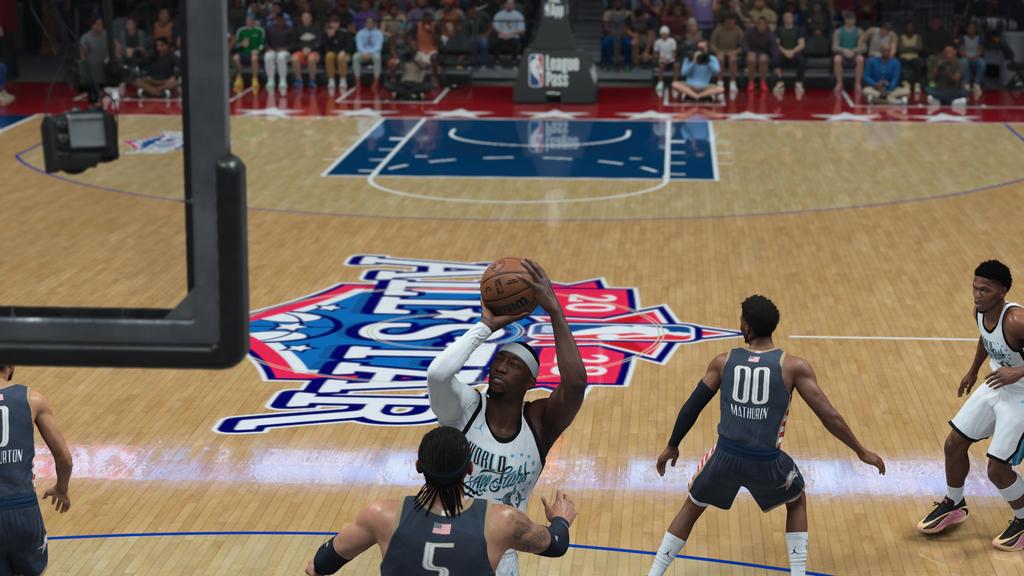
Quiet Deadline Passes With Minimal Movement
- The 2028 NBA trade deadline came and went Thursday with far less fireworks than anticipated, as injuries across the league led contending teams to exercise caution rather than mortgage assets for rental players.
Only five deals were completed before the 3 p.m. ET deadline, with no blockbuster moves reshaping the playoff picture.
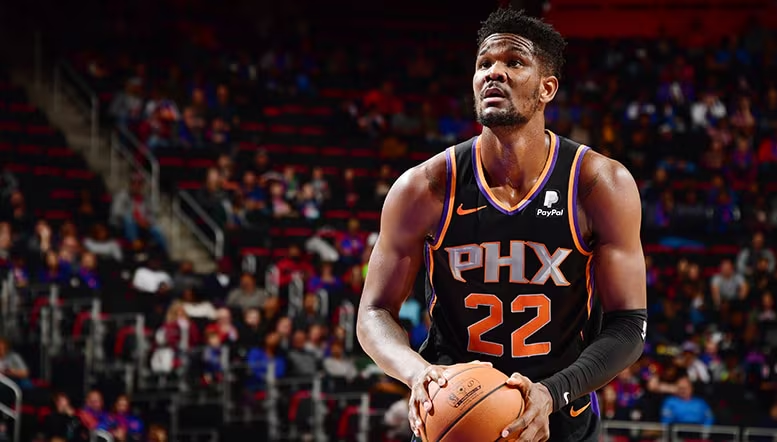
The second-seeded Suns (35-14) made the deadline's biggest splash, re-acquiring center DeAndre Ayton and a 2030 second-round pick from the Washington Wizards (20-31) in exchange for shooting guard Grayson Allen and a 2032 second-rounder.
Ayton, who has fallen out of favor in Washington, gives Phoenix a legitimate rim-running big man to pair with Devin Booker. The move addresses the Suns' biggest weakness—interior defense and rebounding, without sacrificing significant future assets.
The sixth-seeded Dallas Mavericks (34-18) swung a deal with the struggling Milwaukee Bucks (21-29), sending shooting guard Alijah Arenas and forward Caleb Martin to Milwaukee in exchange for veteran scorer Zach LaVine and point guard KJ Simpson.
LaVine, who signed a one-year deal with the Bucks last summer, provides Dallas with another shot creator alongside Luka Dončić and Kyrie Irving. His ability to get his own bucket in the playoffs could prove crucial for a Mavericks team that has struggled with secondary scoring in recent postseasons.
"Zach's a proven scorer who can take pressure off Luka," Dallas GM Nico Harrison said. "He fits what we need."
The Portland Trail Blazers (21-27), currently sitting ninth in the Western Conference and firmly in the play-in picture, made two moves to bolster their playoff push.
Portland acquired forward Noah Clowney from the Brooklyn Nets (16-36) in exchange for guard Collin Sexton, adding frontcourt depth and defensive versatility.
The Blazers also sent forward Toumani Camara to Milwaukee in exchange for veteran Bobby Portis Jr., bringing in a proven playoff performer who can provide scoring off the bench.
The New Orleans Pelicans (34-18), tied for fourth in the West, sent defensive ace Herbert Jones to the Washington Wizards in exchange for stretch forward John Collins.
The move signals New Orleans' desire to add more offensive firepower, though losing Jones' elite perimeter defense could prove costly in playoff matchups against elite wings.
League executives pointed to injuries as the primary reason for the subdued deadline.
"When you've got key players hurt across the league, teams are hesitant to give up assets for guys who might not move the needle if your roster isn't whole," one Western Conference GM said. "You're also not sure what you're getting back in return if teams are evaluating you without their best players."
Several contending teams—including the Utah Jazz, Oklahoma City Thunder, and Los Angeles Lakers—elected to stand pat entirely, banking on internal development and returning health rather than external additions.
Perhaps no team exemplified the "wait and see" approach more than the Utah Jazz.
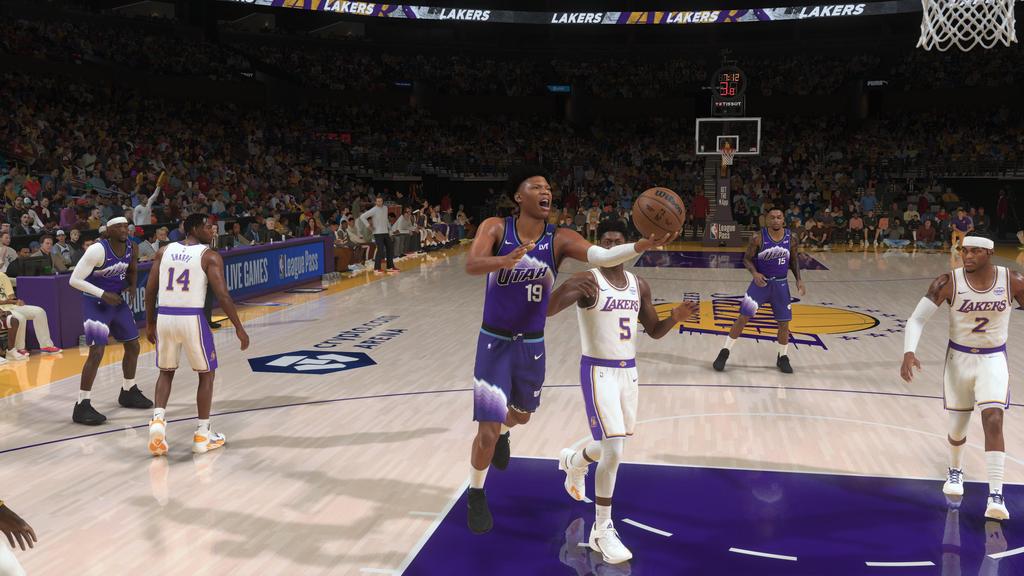
Despite sitting at 39-18 and firmly in the playoff picture, Utah made zero moves at the deadline, choosing instead to bank on Cameron Boozer's return from a broken femur as their "trade deadline addition."
"We like our group," Jazz CEO Danny Ainge said. "When Cam comes back, that's like adding a starter at the deadline. We're not going to mortgage future assets when we believe in what we have."
Boozer, who has been out since early December, is targeting a late March return—potentially giving the Jazz their full starting five for a playoff push.
Whether standing pat proves wise or costly won't be known until April. But for a team that went all-in last summer, the decision to hold steady speaks to confidence in their core.
The quiet deadline likely means the playoff races in both conferences will be decided by health and internal improvement rather than roster shakeups.
Phoenix improved their championship odds with Ayton. Dallas added another scorer to complement their stars. Portland made a play-in push.
But the league's true contenders—Minnesota, Oklahoma City, Utah, New Orleans, the Lakers—all chose continuity over change.
Come playoff time, we'll find out if standing pat was prudence or missed opportunity.


36-16 |
35-16 |
35-14 | |
34-18 |
28-23 |
34-16 | |
34-18 |
21-27 |
28-22 | |
30-20 |
22-30 |
21-30 | |
17-34 |
19-31 |
18-34 | ------------------------------------ |
35-15 |
29-22 |
41-7 | |
30-21 |
27-25 |
22-29 | |
24-28 |
21-29 |
20-31 | |
22-26 |
21-30 |
12-39 | |
16-36 |
18-33 |
10-40 | ------------------------------------




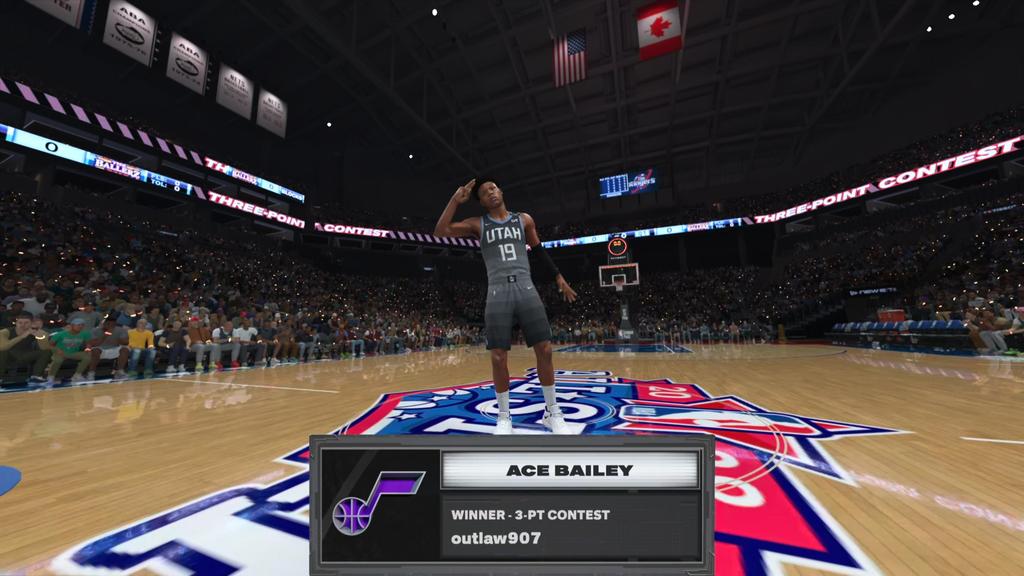
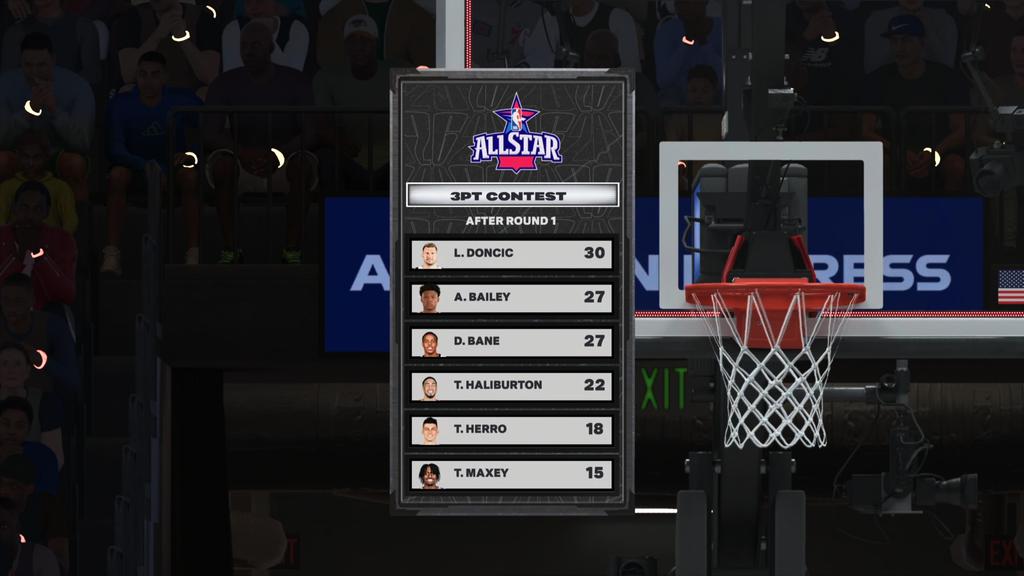
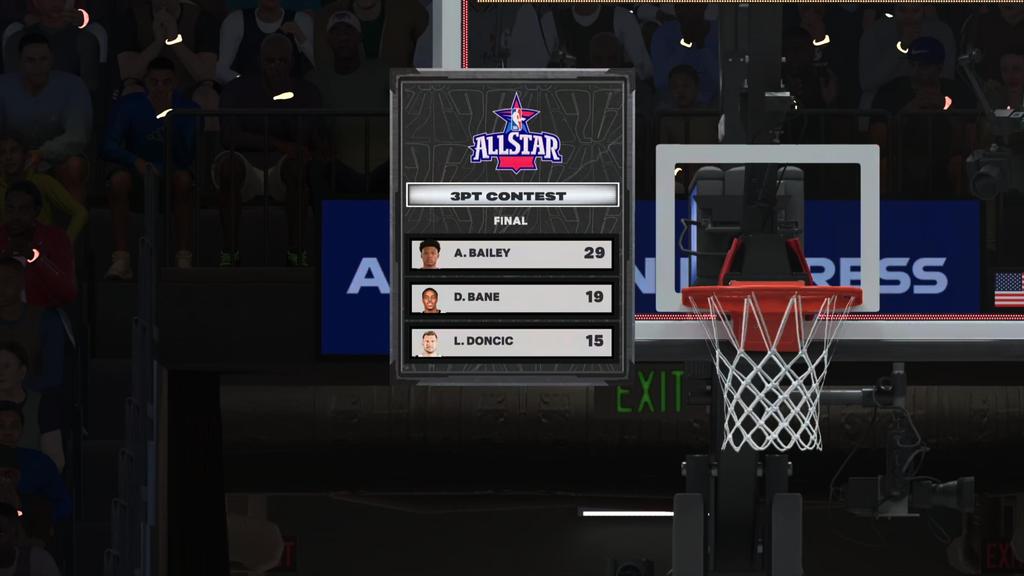
 short deadline article coming up - nothing substantial happened - then we get to the All Star festivities with some contributors this time